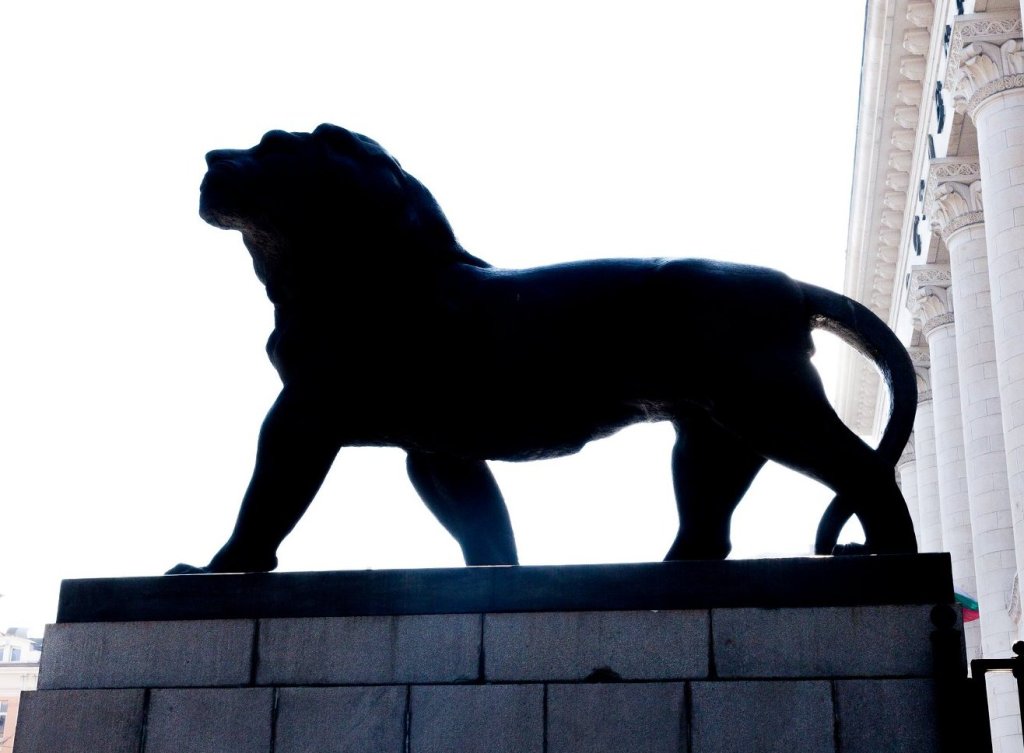
Today marks the final day of the Lev, Bulgaria’s national currency. I was not sure if to call this post “The Last Day of the Lev” or to go with the current title. Lev actually means lion in Bulgarian, and I think it links nicely with the theme of the post. According to recent social media posts, there seemed to be a lot of roaring in banks and other financial institutions yesterday. There were huge queues and staff were shouting at customers because they felt so frustrated.
It is fair to say that the move to the Euro has not been universally welcomed. Many fear that the change will lead to retailers exploiting the situation to put up the prices of goods. Others fear that the government will lose control over fiscal policy. Its most recent budget plans led to widespread demonstrations across the country. Some believe the change will reduce costs for businesses (e.g., there will be no currency conversion charges for importers and exporters within the EU) and promote foreign investment.
There is another animal in the room as well as the lion. We are talking about the elephant. In this case it is the subject of widespread and institutionalised corruption. The tentacles spread through all areas and levels of government but no-one seems able to do anything about it. Maybe more EU involvement will help, but that is an organisation that is not blameless.
A change of currency also throws into focus the nature of national identity. It is a major step to give control to forces beyond your borders. There may be a greater good, but it comes at a price. The Bulgarians are a proud people with a long and complex history who fought hard for their independence. They were part of the Ottoman empire for more than 500 years. After the Second World War, their communist government was closely aligned with the Soviet Union and they became part of the Warsaw Pact in 1955 until its dissolution in 1991 as the communist bloc in Eastern Europe started to falter.
Unsurprisingly, the story of the Lev follows the history of the country. Bulgaria was liberated from Ottoman control in 1878 following the Russo-Turkish war. It was in 1881 that Russia tightened its grip on the country through some dodgy elections. The Lev was established in 1881 (following legislation passed in 1880). It was initially pegged to the French Franc and followed the Latin Money Union that regulated gold and silver coins. The post-war communist period was characterised by instability and Soviet influence.
The Lev enjoyed full independence in the post-communist period between 1990 and 1997, but the economy was then hit with hyperinflation. In 1997, a currency board pegged the Lev to the German Deutschmark, at a value of 1000 Levs to 1 DM. There was a dramatic redenomination in 1999 when 1000 old leva (the Bulgarian plural of lev) became worth 1 lev, making 1 new lev equal to 1 DM. This had a profound effect on the population and the savings of many people were wiped out over night. And prices in the shops remained high.
The establishment of the Euro in 2002 saw the Lev being pegged to it at the rate of 1.95583 leva per Euro. It remained at this rate until today, when at midnight all leva held by the major banks will be converted to Euros. Tomorrow is a new beginning for Bulgaria’s currency, for its people, for their identity, and for their future. We can only hope all will be well.
 Psychologist on the Move